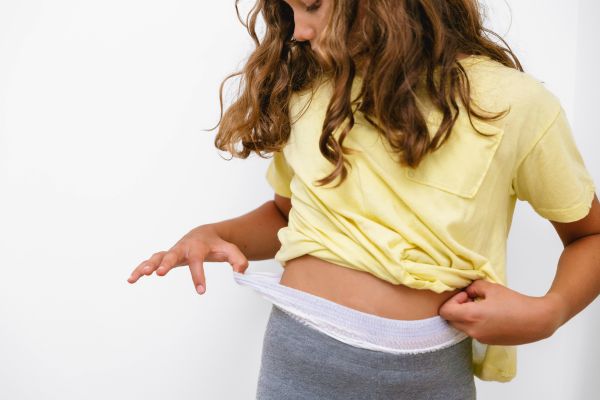
If you’ve been comparing incontinence or bedwetting products online and noticed the terms PE-backed and cloth-backed, you’re not alone in wondering what the difference actually means in practice. It’s not just marketing language — the backing material on a pull-up or pad changes how it feels, sounds, breathes, and performs overnight. Here’s what you need to know to choose the right option for your child (or yourself).
What PE-Backed and Cloth-Backed Actually Mean
The backing of an incontinence product is the outermost layer — the part that faces away from the body and touches clothing or bedding. It serves as the final barrier between the absorbent core and the outside world.
PE-Backed (Polyethylene Film)
PE stands for polyethylene — a thin plastic film laminated onto the outside of the product. It’s been the standard backing for decades and remains common across budget and mid-range disposable products.
- Highly waterproof — very little moisture can escape through the outer layer
- Makes a rustling noise when the wearer moves — the characteristic “nappy crinkle”
- Less breathable — heat and moisture can build up against the skin over time
- Feels plastic-like to the touch
- Lower cost to manufacture, often reflected in product pricing
Cloth-Backed (Nonwoven Fabric Outer)
Cloth-backed products use a soft, nonwoven fabric on the outside — similar in texture to a soft T-shirt or the outer layer of a modern disposable nappy. The waterproofing is achieved through a breathable membrane laminated behind this fabric layer rather than a solid plastic film.
- Quieter — significantly less rustling noise
- More breathable — the membrane allows water vapour to escape, reducing heat build-up
- Softer against bedding and skin
- Looks more like underwear at a glance — relevant for older children and teens
- Generally costs more to produce
Why the Difference Matters for Overnight Use
During the day, a child wearing a pull-up is moving, the product is aired by ambient air circulation, and any noise is masked by general activity. At night, none of that applies. The backing material’s weaknesses are amplified considerably.
Noise
PE-backed products can be noticeably loud when a child turns over in bed. For lighter sleepers, this can be enough to disturb sleep — either the child’s own or a sibling’s. For children with autism or sensory sensitivities, the auditory element alone can be a dealbreaker. Cloth-backed products eliminate most of this noise entirely.
Heat and Skin Comfort
Overnight wear is typically eight to twelve hours. A non-breathable PE film traps body heat and moisture vapour against the skin for that entire duration. For most children this causes mild discomfort; for children with eczema-prone or sensitive skin, it can cause genuine irritation. Breathable cloth-backed products allow vapour to pass through, reducing this effect meaningfully — though they are not fully breathable in the way a cloth nappy is.
Discretion and Dignity
For older children and teenagers particularly, the sound and feel of a plastic-backed product matters. A cloth-backed pull-up worn under pyjamas is visually and tactilely closer to ordinary underwear. This isn’t vanity — it’s about maintaining dignity and reducing the psychological burden of wearing a product. If you’re navigating how to talk about bedwetting without shame, the product choice itself can either help or hinder that conversation.
Is Cloth-Backed Always Better?
Not automatically. It depends on priorities.
When PE-Backed May Be the Right Choice
- Budget is the primary constraint. PE-backed products are reliably cheaper, and for families going through several products a night, cost matters significantly.
- The child doesn’t notice or care about the noise or feel. Some children sleep through anything and have no sensory sensitivities — for them, the backing is irrelevant.
- You need the highest possible leak containment. In some product designs, the solid PE layer provides a marginally more robust outer barrier, particularly at the edges where leaks tend to escape. If leaks are your main problem, the issue usually lies elsewhere in the design — but it’s worth knowing.
When Cloth-Backed Is Worth the Extra Cost
- Sensory sensitivities — noise and texture are legitimate functional criteria, not preferences to be dismissed
- Skin irritation or heat rash from overnight wear
- Older children or teens for whom discretion and product appearance affect compliance
- Children who are aware of their product and find the “nappy feel” distressing
For children with autism or sensory processing differences, cloth-backed products are often strongly preferred — and there’s nothing to weigh up. If a PE-backed product is causing distress, switch.
Which Products Use Which Backing?
Manufacturers don’t always make this obvious, and product lines change. As a general guide at the time of writing:
- DryNites / Huggies Goodnites — cloth-backed outer layer; one of their main selling points over budget alternatives
- Tena Slip / Molicare Slip (adult-style taped briefs) — most now offer cloth-backed versions in their premium ranges; PE-backed in economy ranges
- Pampers Nappy Pants (larger sizes) — cloth-backed outer
- Supermarket own-brand pull-ups — typically PE-backed to keep costs down
- Budget incontinence brands — usually PE-backed unless explicitly stated otherwise
Always check the product description or packaging. Look for terms like “soft outer layer,” “clothlike back sheet,” or “breathable cover.” If none of these appear, assume PE-backed.
The Breathability Question: How Much Does It Actually Help?
It’s worth being precise here. “Breathable” in the context of cloth-backed incontinence products means water vapour can pass through — not that air circulates freely. The breathable membrane is still a barrier to liquid. The practical effect is a modest reduction in skin temperature and humidity over a long wear period, not a dramatic one.
Studies on nappy breathability (primarily infant nappy research) consistently show reduced skin hydration and lower skin pH with breathable outer covers compared to PE film — both markers of healthier skin. Whether this translates meaningfully for a child worn in a product for eight hours overnight is a reasonable inference, though direct paediatric bedwetting research in this area is limited.
The point is: breathability is real and measurable, but it isn’t magic. It reduces the problem; it doesn’t eliminate it. Good skincare routine — changing promptly, allowing skin to air, using a barrier cream if needed — remains important regardless of backing material.
A Note on Taped Briefs (Nappies)
For children who need higher absorbency or for whom pull-up formats don’t provide adequate containment, taped briefs such as Tena Slip, Molicare, or larger-size Pampers are a legitimate and often highly effective choice. These products are sometimes unfairly treated as a step backward — they aren’t. They offer more absorbent surface area, better fit adjustment, and in premium variants, cloth-backed outers with full breathable membranes. If you’re considering them, the backing choice applies equally: look for cloth-backed if noise and skin comfort matter.
Practical Summary
- PE-backed: lower cost, effective waterproofing, noisy, less breathable, plastic texture
- Cloth-backed: quieter, breathable, softer, better for sensitive skin and older children, higher cost
- For most overnight bedwetting situations, cloth-backed is preferable if budget allows
- For sensory-sensitive children, cloth-backed is strongly recommended
- Backing is one factor — absorbency, fit, and core placement matter just as much for leak prevention
If leaks remain a problem regardless of backing material, the issue is almost certainly elsewhere in the product design. It’s worth reading about why leg leaks are so hard to stop and why the absorbent core is often in the wrong position for overnight use — these are the more common culprits.
Conclusion
The difference between PE-backed and cloth-backed incontinence products is real, practical, and worth understanding before you buy. Cloth-backed products are quieter, softer, more breathable, and better suited to overnight wear — particularly for older children, teens, or anyone with sensory sensitivities. PE-backed options remain valid where cost is the priority and the child has no issues with noise or texture. Neither is wrong; they serve different needs. If you’re still finding that no product quite manages overnight leaks reliably, the gap in the bedwetting product market may explain why — and you’re far from alone in that experience. And if the wider emotional weight of managing all of this is taking a toll, you’re not the only parent running on empty.