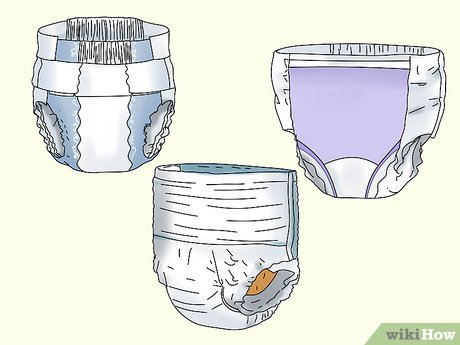
A hospital stay throws your child’s routine completely out of the window — and if bedwetting is part of that routine, it needs to go on the packing list. Whether it’s a planned admission, a day surgery with an overnight stay, or an emergency situation, knowing what to bring and how to communicate with ward staff makes a significant difference to both your child’s dignity and your own stress levels.
Why Hospital Stays Create Extra Bedwetting Challenges
Even children who are mostly dry at home may wet during a hospital stay. Anaesthesia, unfamiliar surroundings, disrupted sleep, pain medication, increased fluid intake (or IV fluids), and stress can all affect bladder control. For children who already wet regularly, the hospital environment amplifies every factor that makes night wetting more likely.
Ward staff are experienced with incontinence — in patients of all ages — but they are not always proactive about it, particularly on surgical or medical wards rather than specialist continence services. The default approach is often a hospital-issue pad or brief that may not fit your child well, may not have the absorbency you need, or may not suit their sensory needs. Coming prepared means you stay in control of this part of the admission.
What to Pack: The Overnight Protection Kit
The right product for your child
Bring whatever works at home. Do not assume the hospital will stock something equivalent. If your child uses Drynites, bring enough for the expected stay plus two or three extras. If they need a higher-capacity pull-up, bring those. If taped briefs such as Pampers Nappy Pants for larger children, Tena Slip, or Molicare are what reliably contain overnight wetting in your household, pack exactly those — hospitals are not the place to trial something new.
Quantity to pack: one per night, plus a minimum of three spares. Hospital stays extend unexpectedly. If your child wets heavily or more than once a night, adjust accordingly.
Bed protection
Hospital mattresses are already protected, but the standard waterproof covers are not always comfortable or well-positioned for a child. A familiar disposable bed pad (such as a Kylie pad or similar) placed under your child can reduce disruption on wet nights — staff can replace a pad without fully remaking the bed, which matters at 3am on a busy ward. Some families bring a small washable pad from home simply because the familiar texture helps their child settle.
Spare pyjamas and bedding items
Pack more pyjama bottoms than you think you need — at least three to four pairs for an overnight stay of any length. If your child has a specific duvet or pillow cover that provides comfort, a waterproof version is worth bringing if the bag space allows. Ward laundry is not always fast or reliable, and nursing staff prioritise clinical tasks over sending clothing to the hospital laundry.
Wipes and barrier cream
If your child has sensitive skin or tends to develop irritation after wet nights, bring their usual wipes and any barrier cream or moisturiser they normally use. Hospital-issue wipes are functional but basic, and skin integrity matters more when a child is unwell or post-surgery.
A discrete bag or pouch for products
For older children especially, having products in a named bag that can sit in a bedside locker — rather than visible on a shelf — supports their dignity on a ward where other children or visitors may be present. A simple washbag or zipped pouch works well.
What to Say to Ward Staff
At admission or pre-assessment
The admission process usually includes a nursing assessment. This is the right moment to mention bedwetting clearly and without embarrassment. A straightforward statement works well:
“[Child’s name] wets at night — this is normal for them and not a new symptom. We’ve brought their usual night-time protection. Please note it in their care plan so the night staff are aware.”
Asking for it to be noted in the care plan is important. Day staff who admitted your child may not hand everything over to the night team verbally. A written note ensures continuity.
If staff suggest using hospital-issue products instead
Hospital-issue incontinence products are procured for adults and may not fit a child well. You are entirely within your rights to decline and use your own. You can say simply:
“We’ve found that what we’ve brought from home works better for [child’s name] — they’re familiar with it and it fits correctly. We’d prefer to use our own if that’s all right.”
Most nursing staff will have no objection whatsoever. The goal on a ward is patient comfort and dry beds — however that is achieved is not a clinical concern.
Overnight protocol
Discuss with the nurse in charge what should happen on a wet night. Key questions:
- Will staff check on your child overnight, or should they alert a nurse themselves?
- Where should the spare products be kept so night staff can find them?
- Is there a preference for where soiled items go (clinical waste vs. standard bin)?
- If you are staying on the ward as a parent carer, are you expected to handle changes, or will staff assist?
Getting these practicalities agreed in advance avoids awkward conversations at 2am when everyone is tired and the ward is busy.
Special Considerations
Post-operative or sedated children
Children who have had general anaesthesia may not wake normally overnight and may wet without any awareness at all. This is common and expected. A higher-capacity product than your child usually wears is worth considering for the first night post-surgery. If your child is connected to monitoring equipment or has a cannula, taped briefs (rather than pull-ups) can be easier to change without disturbing positioning or leads.
Children with autism or sensory sensitivities
For children who are particular about the texture, sound (rustling), or bulk of what they wear, the unfamiliar hospital environment already creates significant sensory load. Bringing exactly the right product from home — the one they tolerate or prefer — is not a minor detail; it may be the difference between a settled night and a distressed one. Mention sensory needs explicitly during the nursing assessment so staff understand why substitution is not straightforward.
Teenagers
Older children and teenagers may find a hospital stay particularly exposing if they wet at night. Ward environments offer limited privacy, and the prospect of nursing staff knowing or being involved in changes can feel mortifying. Giving a teenager as much agency as possible — their own products stored discreetly, the expectation that they manage changes themselves unless they need help, and a clear explanation of who on the ward is aware — helps preserve dignity. If they are old enough, let them decide what they want staff to know and how.
Our article on talking about bedwetting without shame or embarrassment has practical language for these conversations that older children can adapt for themselves.
When Wetting Increases After a Hospital Stay
Some children who were previously dry — or nearly dry — regress temporarily following a hospital admission. This is common after significant illness, surgery, or a stressful experience. Bedwetting that starts after a stressful event usually resolves without intervention, but if it persists beyond four to six weeks or is accompanied by daytime symptoms, it is worth a GP review. See when bedwetting warrants a doctor’s input for a clear guide on what to watch for.
A Quick Packing Checklist
- Overnight protection products (usual type, enough for stay plus three spares)
- Disposable bed pad or small washable pad
- Three to four spare pyjama bottoms
- Wipes suitable for your child’s skin
- Barrier cream or moisturiser if used at home
- Discrete bag or pouch for products
- Any waterproof duvet or pillow protection if bag space allows
The Bottom Line on Hospital Stays and Overnight Protection
Hospital stays and overnight protection do not need to be a source of additional anxiety. The nursing staff have seen everything; they are not judging your child or your family. What they need from you is clear, practical information — and what your child needs is their usual products, handled matter-of-factly, so that a difficult stay is not made harder by wet beds and inadequate containment.
Bring what works. Say what needs to be said at admission. Have a plan for the night. Everything else follows from those three steps.
If the hospital stay is part of a longer journey with bedwetting and you are finding the overall management exhausting, how other parents manage without burning out is worth a read when you have a moment.