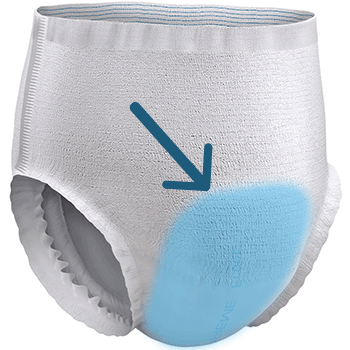
If your child is wetting the bed most nights, you have probably already sorted the mattress. The next question many parents reach is whether waterproof nightwear and bedwetting pyjamas can reduce the chaos — fewer sheet changes, drier skin, less laundry at 3am. Here is a clear-eyed look at what is actually available in the UK, what each option does, and where it fits.
What Waterproof Nightwear Actually Does
Waterproof or water-resistant nightwear sits between the absorbent product your child wears and the bedding. The aim is containment — stopping liquid that escapes the pull-up or pad from reaching pyjamas, sheets, duvet, and mattress. It does not replace absorbency; it supplements it.
This matters because no overnight pull-up contains everything reliably when a child is lying down for eight hours. Leg gaps, waistband gaps, and positional leaks are common, and the design limitations of overnight pull-ups are well documented. Waterproof nightwear is a practical response to a genuine structural problem.
Categories of Waterproof Nightwear Available in the UK
Waterproof Pyjama Pants (Pull-On Shorts)
These are waterproof over-pants worn directly over a pull-up or pad. They are the most widely available category and tend to look like ordinary shorts or leggings. Most use a PUL (polyurethane laminate) fabric — soft on the outside, waterproof on the inside — with elasticated waist and leg openings.
What they do well: Contain leaks at the legs and waist. Washable and reusable. Widely accepted by children because they look like normal clothing.
Limitations: Leg and waist elastics must be snug enough to seal but not so tight they cause discomfort. Some children, particularly those with sensory sensitivities, find elastic pressure around the legs difficult to tolerate overnight.
UK brands and suppliers that stock these include ERIC (The Children’s Bowel & Bladder Charity), Conni Kids, Rodger Wireless, and various independent makers on platforms like Not On The High Street and Etsy. Sizing typically runs from age 3–4 up to teenage years, though availability at larger sizes varies.
Full Waterproof Pyjamas (Top and Bottoms)
A small number of UK suppliers produce full pyjama sets with waterproof or water-resistant properties — usually the bottoms are fully waterproof and the top is included for comfort and consistency. These are harder to find than over-pants and tend to be produced by specialist manufacturers rather than mainstream retailers.
The benefit is a complete sleep outfit that contains any leak at multiple points. The drawback is cost (sets can run to £30–£60) and the fact that waterproof fabrics can feel warmer than standard cotton, which may affect sleep quality — relevant if your child already sleeps hot.
Waterproof Sleeping Bag Inners and Sheet Sleepers
Some families use a waterproof sleeping bag liner instead of — or in addition to — waterproof nightwear. These are more common in camping or travel contexts but do serve a bedwetting protection function. They are not nightwear in the traditional sense but belong in this category because they perform a similar role.
All-in-One Waterproof Nightsuits
These are one-piece garments — essentially a onesie with waterproof properties. They are more common in the adult continence market but some paediatric versions exist. For children who remove pull-ups or nightwear during sleep, a secure all-in-one can be an important practical option. Some are produced with back zip closures for exactly this reason.
Suppliers in this space include Kylie, Special Tomato, and some custom makers serving the SEND community. If your child has autism or a developmental disability and removes their nightwear, this is worth investigating — it is a legitimate need, not a fringe request.
Absorbent Nightwear: A Different Category
Separate from waterproof over-pants are absorbent pyjama pants — nightwear with built-in absorbent core, designed to replace or supplement a pull-up rather than go over one. The most recognised example in this space was Monty’s Pyjama Pants, though availability in the UK market has been inconsistent.
The idea is appealing: clothing that is both comfortable and absorbent, removing the need for a separate incontinence product. In practice, the absorbent capacity of built-in nightwear rarely matches a dedicated overnight pull-up, meaning they are best suited to light wetters. For heavy overnight wetting, they are unlikely to provide sufficient protection on their own.
If you are considering absorbent nightwear as a standalone, it is worth understanding how absorbent core placement affects overnight performance — the same principles apply regardless of format.
ASD and Sensory Considerations
For children with sensory processing differences, nightwear choices are not just about containment — texture, noise, seams, and elastics all matter. PUL fabrics can feel clammy and make a rustling noise that some children find deeply disturbing. This is a legitimate barrier, not something to push through.
If your child is sensory-sensitive, look for:
- Soft outer fabric (cotton or jersey PUL rather than crinkle PUL)
- Flat or covered seams
- Wide, soft waistbands rather than narrow elastics
- Trial periods or returns policies — fit and feel cannot be assessed online
Some families find that a well-fitted taped brief (worn under loose pyjama bottoms) is more comfortable for their child than any form of waterproof over-pant, because it removes the second layer of elastic pressure entirely. There is no single correct answer, and the goal is always the child’s comfort and sleep quality — not reaching a particular product type. You can read more about sensory and comfort factors in our guide on managing bedwetting as a family.
Where to Buy in the UK
Mainstream retailers — Boots, Asda, Tesco, Amazon UK — stock DryNites and similar pull-ups but rarely carry specialist waterproof nightwear. For the products listed above you will usually need to go to:
- ERIC shop (eric.org.uk) — the charity’s online shop stocks over-pants and related products
- Conni Kids — Australian brand with UK stockists and direct shipping
- Specialist continence suppliers such as NRS Healthcare or Hartmann Direct
- Independent makers via Etsy or Not On The High Street — useful for custom sizing
- Amazon UK — increasing range, though quality varies; check reviews for UK-specific sizing
NHS prescription does not typically cover nightwear; products need to meet the continence pad/brief criteria to qualify. If your child is under an NHS continence service or paediatrician, it is worth asking what is available on prescription — pull-ups and pads are sometimes provided, which can offset the cost of buying nightwear separately. If you have struggled to get support, this guide on what to do when you are not being heard may be useful.
How Waterproof Nightwear Fits Into a Wider System
Waterproof nightwear works best as part of a layered approach, not as a standalone fix. A reasonable overnight system for moderate to heavy wetting typically looks like:
- Absorbent product (pull-up, taped brief, or pad with cover)
- Waterproof over-pant (to catch leg and waist leaks)
- Waterproof mattress protector (last line of defence)
You do not need every layer. Very light wetters may manage with a single product and a mattress protector. But if you are currently changing bedding every night, adding waterproof over-pants over an existing pull-up is one of the fastest ways to reduce the number of full changes — sheets stay dry even when the pull-up leaks at the legs. Understanding where your child typically leaks can help you decide which layer matters most.
What Waterproof Nightwear Cannot Do
It is worth being direct about the limits. Waterproof over-pants:
- Do not add absorbency — liquid is contained, not absorbed
- Can make a child feel wetter for longer if the pull-up is already saturated
- Are not a substitute for an adequately absorbent overnight product
- Do not address the underlying cause of bedwetting
If the pull-up is leaking because it is simply not absorbent enough for your child’s output, the priority is upgrading the pull-up or pad — not adding more layers on top. Waterproof nightwear solves the containment problem, not the capacity problem. Our article on why parents keep switching products covers this distinction in more detail.
Summary
Bedwetting pyjamas and waterproof nightwear in the UK range from simple waterproof over-pants (the most accessible and affordable option) through to full pyjama sets and all-in-one nightsuits for children with specific needs. None of them replace a good absorbent product, but used alongside one, they can make a significant practical difference — fewer sheet changes, drier sleep, and less disruption for everyone. Choose based on your child’s wetting pattern, comfort preferences, and the gaps your current setup leaves.