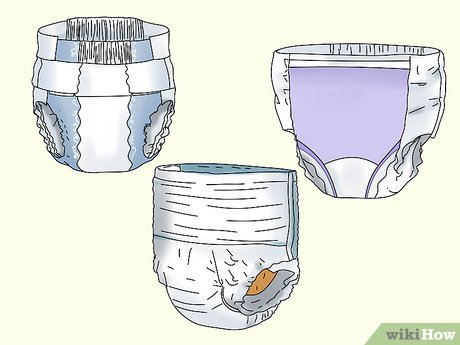
If you have stood in a cold corridor at 2am pulling wet sheets off a bed while your child shivers beside you — and the pull-up that was supposed to prevent exactly this is sitting dry on the outside — you already understand the problem. Overnight pull-ups leak. Not occasionally, not for unusual reasons. Routinely, predictably, in ways that have not meaningfully changed in two decades of product development. This article explains why — and why the fix is harder than it looks.
The Product Was Not Designed for the Situation It Is Sold For
This is the foundational issue. Pull-up style absorbent pants were originally developed for daytime toilet training. The design priorities were: ease of pulling up and down, a reasonably trim fit, and enough absorbency to handle a small accident without immediately soaking clothing.
Those priorities are entirely wrong for overnight use. At night, a child is lying down for eight to ten hours, wetting in one large void rather than several small ones, and gravity is working in every direction except the one the product was built around. The pull-up has been rebranded as an overnight product. It has not been fundamentally redesigned as one.
For a detailed breakdown of what this distinction actually means in practice, see Bedwetting Pull-Ups Were Not Designed for Sleep: What That Means and Why It Matters.
The Physics Problem Nobody Talks About
When a child stands or sits, gravity pulls fluid downward. The absorbent core — positioned front and centre in most pull-ups — is exactly where fluid goes. The product works as intended.
When that same child lies down, gravity changes direction. Fluid now moves laterally, toward whichever leg is lowest, or backward toward the waist, depending on sleep position. The core is now in the wrong place relative to the fluid. The leg cuffs and waistband — which were never engineered to form a seal against pooled liquid pressing outward for hours — eventually fail.
This is not a manufacturing defect. It is a physics problem baked into the design. See The Physics of Overnight Leaking: Why Products That Work Upright Fail When Lying Down for the full explanation.
Why Sleep Position Makes It Worse
A child who sleeps on their back leaks differently from one who sleeps on their front or side. A back sleeper tends to wet backward — toward the waist and seat. A front or prone sleeper tends to wet forward — toward the front panel and waistband. A side sleeper creates pressure on one leg cuff in particular.
No standard pull-up accounts for these differences. The product is symmetrical. The problem is not.
The Core Is in the Wrong Place
Most overnight pull-ups position the bulk of their absorbent material in the front-centre panel. This is appropriate for a standing toddler during daytime training. For a sleeping child, particularly one who moves during the night, it means the core is frequently misaligned with where the fluid actually arrives.
Children who wet while lying on their back — particularly girls, given the difference in anatomy — often find that fluid bypasses the front panel almost entirely. The core absorbs very little. The leak goes out at the seat or back waistband. This is explored further in Why the Absorbent Core in Bedwetting Pull-Ups Is Often in the Wrong Place.
Leg Cuffs That Cannot Do Their Job at Night
Leg cuffs — the gathered elasticated edges around each thigh — are the primary leak barrier in any pull-up. They work by forming a soft seal against the skin. In a sitting or standing position, body weight and posture help maintain that contact.
When a child lies down, particularly on their side, the cuff on the lower side is compressed flat against the mattress. It is no longer upright. It is no longer forming a seal in any meaningful sense. Fluid that reaches the edge of the core has a direct route out.
This compression failure is one of the most consistent causes of leg leaks in overnight products — and it is almost never mentioned on packaging. For the full picture, see What Happens to Pull-Up Leg Cuffs When a Child Lies Down: The Compression Problem Explained.
Why the Same Pull-Up Leaks at Night But Not During the Day
Parents frequently report that a product seems fine during the day — perhaps managing a small accident at the park or on the school run — but fails completely overnight. This confuses people. It should not. The daytime and night-time use cases are mechanically different. The product is not failing more at night because it is worse at night. It is failing because it was only ever designed for the upright scenario.
The Waistband Problem
Standard pull-up waistbands are designed for comfort and movement. They are not designed to retain fluid under pressure. When absorbency is exceeded — or when a child rolls and the waistband shifts away from the skin — fluid escapes upward through the back, soaking pyjamas and bedding from the waist up.
This back-leak pattern is particularly common in heavier wetters and in children who wet in a single large void. The waistband simply was not built to act as a seal. The Waistband Problem: Why Standard Pull-Up Waistbands Do Not Seal Against Overnight Leaks covers this in detail.
Absorbency Ratings Are Often Misleading
Products marketed as “overnight” or “12-hour” protection cite absorbency figures that are measured under laboratory conditions — usually with the product laid flat and fluid applied at a controlled rate. Real overnight wetting happens in one rush, in a product that is being compressed by body weight, after the child has been moving for several hours.
The gap between rated absorbency and real-world performance is significant. A product rated for 600ml may hold considerably less in practice before leaking. This is not fraud — it is a measurement standard mismatch. But it does mean parents cannot fully trust the packaging claims when choosing between products.
Why This Has Not Been Solved
This is a fair question. The bedwetting market is large. The problem is consistent. Why has nobody fixed it?
Several reasons converge:
- The market is dominated by toilet-training products. Manufacturers optimise for the much larger daytime training segment. Overnight bedwetting is a secondary use case, not the primary design brief.
- Parents switch products frequently, not lobby for better ones. The response to leaking is usually to try a different brand, not to demand engineering improvements. This reduces commercial pressure on manufacturers to invest in redesign.
- The design constraints are genuinely difficult. An absorbent core positioned for supine wetting performs differently from one positioned for daytime use. Building a product that works for both — across different sleep positions, anatomies, and wetting volumes — is a real engineering challenge.
- Stigma suppresses demand signalling. Because bedwetting products for older children carry social embarrassment, parents are less likely to formally complain, write reviews, or organise around the issue than they would be for, say, a faulty piece of baby equipment.
For a broader look at this gap in the market, The Gap in the Bedwetting Product Market: What Every Parent Wants and Nobody Makes is worth reading.
What This Means for You Right Now
Understanding the design problem does not immediately solve the 2am laundry situation. But it does clarify what to try next.
- If the core is misaligned for your child’s sleep position, a product with extended rear coverage — or a taped brief rather than a pull-up — may perform better. Taped briefs (such as Tena Slip or Molicare) offer more coverage and a closer, adjustable seal.
- If leg leaks are the pattern, sizing up slightly can sometimes allow the leg cuffs to stand upright rather than compress flat. Alternatively, using a booster pad inside increases absorbency before fluid reaches the cuffs.
- If back or waist leaks are the issue, a waterproof bed pad as a secondary layer buys time even when the pull-up fails — which it is structurally likely to do under these conditions.
- If your child wets heavily in a single void, a standard pull-up is unlikely to be sufficient regardless of brand. Higher-capacity products or taped briefs with a larger absorbent core are worth considering.
The Conclusion No Manufacturer Will Tell You
Overnight pull-ups leak because they are daytime toilet-training products sold as night-time bedwetting solutions. The design has not caught up with the use case. That is not a reason for guilt or frustration at yourself for not finding the right product — there may not be a perfect one on the market yet. It is a reason to manage expectations, layer protection intelligently, and stop assuming the next brand will be the one that finally works.
If you are exhausted from the cycle of trialling products, dealing with night changes, and managing the emotional weight of ongoing bedwetting, I Am Exhausted From Night Changes: How Other Parents Manage Without Burning Out offers practical, realistic perspectives from parents in the same position.
The problem is real, documented, and structural. You are not doing it wrong.