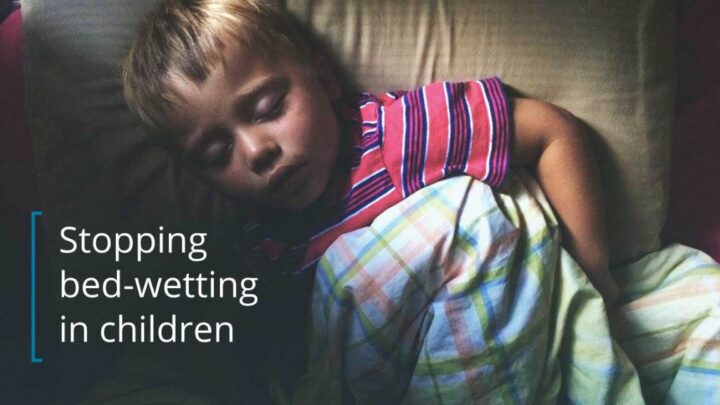
School trips are meant to be exciting. For children who wet the bed, and for the parents sending them, they can also be quietly terrifying. The logistics, the privacy, the packing — it all needs thinking through before the coach pulls away. This guide covers everything: what to pack, how to plan, how to speak to staff, and how to protect your child’s confidence while they are away.
Why School Trips Deserve Proper Planning (Not Just Hope)
Bedwetting affects around 1 in 15 children at age seven, and a meaningful number of older children too. That means most school trips will include at least one child managing nocturnal enuresis — often without anyone knowing. The challenge is not whether your child can go. They absolutely can. The challenge is making sure the practical side is sorted so the trip itself can just be the trip.
Rushing the preparation, or assuming it will probably be fine, is where things go wrong. A wet sleeping bag in a shared dormitory is a manageable problem if you have planned for it. It is a much harder one if you have not.
What to Pack: The Complete School Trip Kit
Overnight protection
The product your child uses at home should be the product they use on the trip — this is not the moment to try something new. Familiar means reliable. Pack enough for every night, plus two or three spares. Products compress well inside a dry bag or a plain carrier bag tucked into a rucksack, away from anything that might need to be accessed quickly.
Options range widely depending on your child’s needs:
- DryNites / Goodnites — widely available, discreet, suit lighter wetters and smaller builds
- Higher-capacity pull-ups — better for heavier wetting or larger children; brands like Abena Pants, iD Pants, or Ontex are worth knowing
- Taped briefs (Tena Slip, Molicare, Pampers Bed Mats) — the most effective containment option; unfairly stigmatised but entirely appropriate when they work best for your child
If your child uses booster pads inside a pull-up at home, pack those too. Do not leave the one thing that stops the leak behind because it felt like too much to explain.
Bed and sleeping area protection
Most school trip accommodation — hostels, outdoor centres, dormitories — provides mattresses that are not waterproof. A lightweight, foldable waterproof bed pad or mattress protector takes up almost no space and means your child does not have to worry about what is underneath them. Some parents prefer a discreet disposable option; others use a washable mat folded inside a pillowcase. Either works.
For sleeping bags, a thin waterproof liner or a spare inner sheet gives an extra layer of security without bulk.
Disposal and hygiene supplies
- Nappy sacks or scented disposal bags — at least one per night, plus extras
- Small hand sanitiser for middle-of-the-night changes
- Wet wipes (unscented if your child has sensitive skin)
- A spare set of pyjamas or nightwear, packed where your child can reach them quietly
- A zip-lock bag or small dry bag for any used items until they can be disposed of properly
Packing for privacy
Think about how your child will access their kit in a shared room. A toiletry bag that sits inside their main bag — with products already inside — means they do not have to rifle through everything in front of others. Some children prefer to keep their kit in their pillow case or at the bottom of their sleeping bag. Talk it through with them beforehand so they have a plan they feel confident about.
Talking to School Staff: What to Say and What to Ask
You do not have to share everything. But telling the right person enough means your child will not be left managing a problem alone at 3am in an unfamiliar building.
Who to speak to
Contact the class teacher or trip lead directly, before the trip. Ask who will be the named adult responsible for pastoral care overnight. That is the person who needs to know — not the whole staff team, and certainly not other parents.
What to tell them
Keep it factual and practical:
- Your child uses a pad or pull-up at night and manages this independently (if they do)
- Where the supplies are in their bag
- What to do if there is a leak — ideally a simple process you have agreed in advance
- Whether your child would want to be woken discreetly or prefers to manage themselves
You do not need to frame this as a medical emergency or a big deal. Most experienced teachers have seen this before, and a calm handover from you helps them treat it calmly too.
Confidentiality
It is entirely reasonable to ask the school to treat this information as private. Staff should not discuss it with other children or parents. Most schools understand this as standard, but it is worth saying explicitly.
If you are worried about how your child’s school handles sensitive information, or if this is part of a broader pattern of your child not being supported, there are resources on speaking up — including what to do when professionals do not seem to be listening.
Preparing Your Child: Confidence Before the Coach Leaves
Children who feel in control of the practical side are far more likely to enjoy the trip. Walk through the plan with them before they go:
- Where their supplies are and how to access them quietly
- Who on the staff team knows, and that this person is there to help not to judge
- What they will do if they wake up wet — including that it is not a disaster
- That they do not have to tell anyone else if they do not want to
Practise any steps that feel unfamiliar — changing quietly in the dark, folding a pad into a disposal bag without making noise. Rehearsing at home removes the anxiety of doing it for the first time in a strange room.
The language you use matters too. Talking about bedwetting without shame is a skill worth building before the trip, so your child heads off feeling matter-of-fact rather than mortified.
If There Is a Leak on the Trip
It happens. The plan is what makes the difference.
If your child has the right supplies and the named adult knows what to do, a wet night is inconvenient rather than catastrophic. Spare pyjamas, a bag for wet items, and a calm adult response are all that is usually needed.
When they come home, the conversation matters. Focus on what they managed, not what went wrong. If the trip was broadly enjoyable, that is the important part. If they came home distressed, take that seriously — it may be worth looking at how bedwetting is affecting the family as a whole, not just the trips.
Longer Trips and Residential Visits
For trips lasting more than one night, scaling up is straightforward — more supplies, more disposal bags, possibly a second contact at school. For longer visits (a week or more), it is worth speaking to the accommodation provider directly about laundry facilities, and checking whether there is a private space for your child to manage their kit.
If your child’s school does not have adequate provision for managing medical needs including continence on residential trips, that is a conversation worth having formally — particularly if your child has an EHCP or recognised additional needs.
For children whose bedwetting has not responded to standard approaches, or who are managing it alongside other conditions, knowing what options remain can help you feel less stuck ahead of a trip.
A Note on Products for Older Children and Teenagers
Older children often face a product gap — they have outgrown the sizes aimed at young children but feel uncomfortable with products marketed at adults. This is a known and frustrating problem. The gap in the market is real, but there are options. Brands like Abena, iD, and Molicare offer pull-up and taped formats in sizes that fit teenagers, with absorbency that matches heavier overnight wetting. For a school trip, where the priority is reliability over everything else, choosing based on what actually works is the only criterion that matters.
The Bottom Line on Bedwetting and School Trips
Managing bedwetting on a school trip is a planning problem, not a reason to opt out. With the right kit packed discreetly, a brief and factual conversation with school staff, and a child who feels in control of the practical steps, the trip itself can just be the trip. Start the conversation early, pack generously, and let your child go.
If nights at home are still regularly disrupted and you are carrying most of the load, you are not alone in that — and there are ways to manage it more sustainably.